
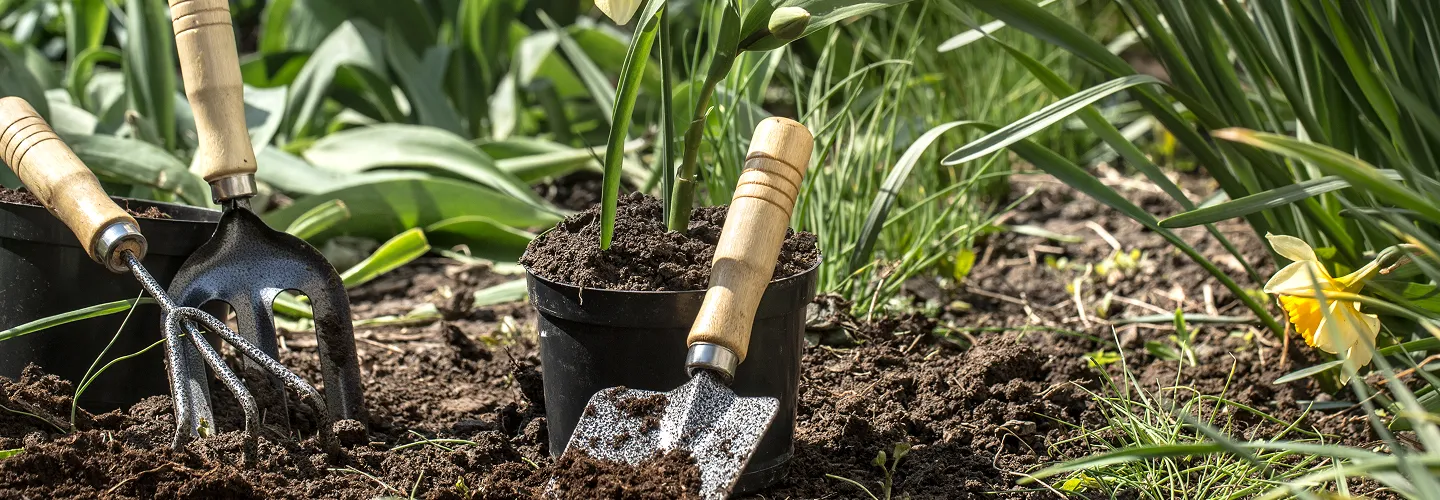
Piney Point Village Flower Bed Maintenance Services
Choose our Flower Bed Maintenance for expert care that keeps your garden blooming year-round—enjoy lush, healthy flower beds without the hassle, all backed by our local expertise and attention to detail.
Get a Free QuoteOur Piney Point Village Landscaping & Yard Care Services
When to Schedule Flower Bed Maintenance in Piney Point Village, Texas – Seasonal Guide
In Piney Point Village, Texas, the best times for flower bed maintenance are shaped by our unique Gulf Coast climate and the lush, wooded neighborhoods like Farnham Park and the areas surrounding Memorial Drive. Spring and early fall are optimal for most maintenance tasks, as the risk of frost has passed and the intense summer heat has not yet set in. During these periods, soil temperatures are ideal for planting, mulching, and fertilizing, ensuring your flower beds thrive throughout the growing season.
Local environmental factors play a significant role in determining the right maintenance schedule. Piney Point Village experiences high humidity, occasional droughts, and variable shade coverage due to mature tree canopies. Soil in the area tends to be loamy with good drainage, but microclimates—especially near Buffalo Bayou or shaded lots—can affect moisture retention and plant health. For more information on local environmental guidelines, visit the Sudbury municipal resource.
Local Factors to Consider for Flower Bed Maintenance in Piney Point Village
- Tree density and shade coverage, especially in neighborhoods like Piney Point Estates
- Soil type and drainage, which can vary between properties
- Seasonal precipitation patterns and drought risk
- Frost dates, typically late January to early February
- Municipal restrictions or watering schedules
- Proximity to landmarks such as Buffalo Bayou, which may influence soil moisture and plant selection
Benefits of Flower Bed Maintenance in Piney Point Village

Enhanced Curb Appeal
Weed and Pest Prevention
Healthier Plant Growth
Seasonal Color Management
Professional Landscape Expertise
Increased Property Value

Piney Point Village Flower Bed Maintenance Types

Seasonal Flower Planting
-
Weed Control Services
-
Mulching and Soil Conditioning
-
Pruning and Deadheading
-
Fertilization Programs
-
Pest and Disease Management
-
Irrigation System Maintenance
Our Flower Bed Maintenance Process
Site Evaluation
Weed Removal
Soil Preparation
Plant Care
Mulching
Why Choose Piney Point Village Landscape Services

-
Piney Point Village Homeowners Trust Us
-
Expert Lawn Maintenance
-
Reliable Irrigation Solutions
-
Comprehensive Tree Care
-
Seasonal Clean-Up Services
-
Competitive Pricing
-
Personalized Service Plans
Soil Series and Drainage Considerations for Flower Beds in Piney Point Village
Piney Point Village is characterized by soils such as the Lake Charles clay and the Bernard-Urban land complex, which are prevalent throughout the area according to the USDA Web Soil Survey. These soils are typically heavy clays with slow permeability, a pH range of 7.0-8.0, and a seasonal high water table within 18-24 inches of the surface. Proper flower bed maintenance requires amending these soils with 2-3 inches of compost tilled to a 6-inch depth to improve drainage and root development. Soil testing is recommended every 2-3 years, with services available through the Texas A&M AgriLife Extension (typical cost: $15-25 per sample). Key practices include:
- Compost incorporation: 2-3 inches tilled to 6-inch depth
- Lime application if pH below 6.0
- Raised beds for poorly drained sites
- Avoiding compaction by limiting heavy equipment use
Equipment Operation Hours and Noise Ordinance Compliance in Piney Point Village
Flower bed maintenance activities in Piney Point Village are subject to municipal noise ordinances and equipment operation restrictions. According to city code, powered landscaping equipment may be operated only during the following hours:
- Monday-Friday: 7:00 AM - 7:00 PM
- Saturday: 8:00 AM - 6:00 PM
- Sunday and holidays: Prohibited All equipment must be maintained with functional mufflers, and noise levels should not exceed 85 decibels at the property line. Operators are required to wear ANSI Z87.1 safety glasses, hearing protection for equipment over 85 dB, and steel-toed boots. For work near public infrastructure, advance notification to the Department of Public Works is required.
Piney Point Village Public Works Department
7676 Woodway Drive, Piney Point Village, TX 77063
Phone: (713) 782-0271
Official Website: Piney Point Village Public Works Department
Native and Recommended Plant Species for Piney Point Village Flower Beds
Selecting plant species adapted to Piney Point Village’s USDA Hardiness Zone 9a is essential for sustainable flower bed maintenance. Native and regionally adapted perennials are preferred to reduce irrigation and chemical inputs. Recommended species include:
- Full sun: Black-eyed Susan (Rudbeckia hirta), Gulf Coast penstemon (Penstemon tenuis), daylily (Hemerocallis spp.)
- Partial shade: Turk’s cap (Malvaviscus arboreus), coral bells (Heuchera americana), hosta (Hosta spp.)
- Deer resistant: Salvia greggii, Russian sage (Perovskia atriplicifolia), lavender (Lavandula spp.)
- Native options: Winecup (Callirhoe involucrata), cardinal flower (Lobelia cardinalis), wild bergamot (Monarda fistulosa) Spacing should be 12-24 inches depending on mature size. For further guidance, consult the Texas A&M AgriLife Extension for plant selection and diagnostic resources.
Stormwater Management and Environmental Compliance for Flower Bed Maintenance
All flower bed maintenance in Piney Point Village must comply with local and state stormwater regulations to protect Buffalo Bayou and adjacent wetlands. The city’s MS4 permit, regulated under the Clean Water Act and enforced by the Texas Commission on Environmental Quality, prohibits the discharge of soil, mulch, or plant debris into storm drains. Key compliance steps include:
- Maintain a 25-foot no-disturbance buffer from wetlands
- Prohibit fertilizer and pesticide application within 50 feet of water bodies
- Use biodegradable mulch and avoid plastic sheeting
- Collect and dispose of all plant debris in accordance with city guidelines Violations may result in fines or remediation orders. For regulatory details, refer to the Texas Water Code and city ordinances.
Texas Commission on Environmental Quality
12100 Park 35 Circle, Austin, TX 78753
Phone: (512) 239-1000
Official Website: Texas Commission on Environmental Quality
Flower Bed Debris Collection and Disposal Procedures in Piney Point Village
Proper disposal of flower bed debris is managed through Piney Point Village’s municipal collection program. Yard waste, including plant clippings, leaves, and small branches (under 4 feet in length), is collected every Thursday from April through November. Residents must use biodegradable paper bags or reusable bins (32-gallon maximum). The following materials are prohibited:
- Plastic bags
- Branches over 4 inches in diameter
- Soil or sod Improper disposal may result in a $50 fine per violation. For large-scale projects, coordinate with the Department of Public Works for special pickup or drop-off procedures.
Piney Point Village Public Works Department
7676 Woodway Drive, Piney Point Village, TX 77063
Phone: (713) 782-0271
Official Website: Piney Point Village Public Works Department
What Neighborhoods Do We Serve Throughout Piney Point Village, TX?
- Piney Point Estates: Features mature tree canopies and heavy clay soils, requiring raised beds and careful drainage management for flower bed installations.
- Wickford Place: Characterized by large lots and proximity to Buffalo Bayou, necessitating strict adherence to buffer zones and stormwater controls.
- Blalock Acres: Newer development with compacted fill soils and modern infrastructure, presenting challenges for root penetration and requiring soil amendment.
- Greenwood Place: Noted for its historic homes and established landscaping, with HOA guidelines influencing plant selection and maintenance practices.
- Shady Lane: Located near conservation areas, this neighborhood faces seasonal flooding risks and mandates the use of native, flood-tolerant species.
- Memorial Drive Corridor: High-traffic area with limited equipment access and increased need for noise ordinance compliance during maintenance activities.
- West Shady Lane: Features smaller lots and narrow streets, requiring careful scheduling and debris containment to avoid public right-of-way obstructions.